English| EUR
Suggested for you
More currencies
Choose a language
Determining the exact transit duration is a critical step in coordinating an island transfer. While the straight-line distance across the Lombok Strait is relatively short, marine conditions and routing dictate the actual schedule. This overview explains what to expect during the crossing.
Quick answer
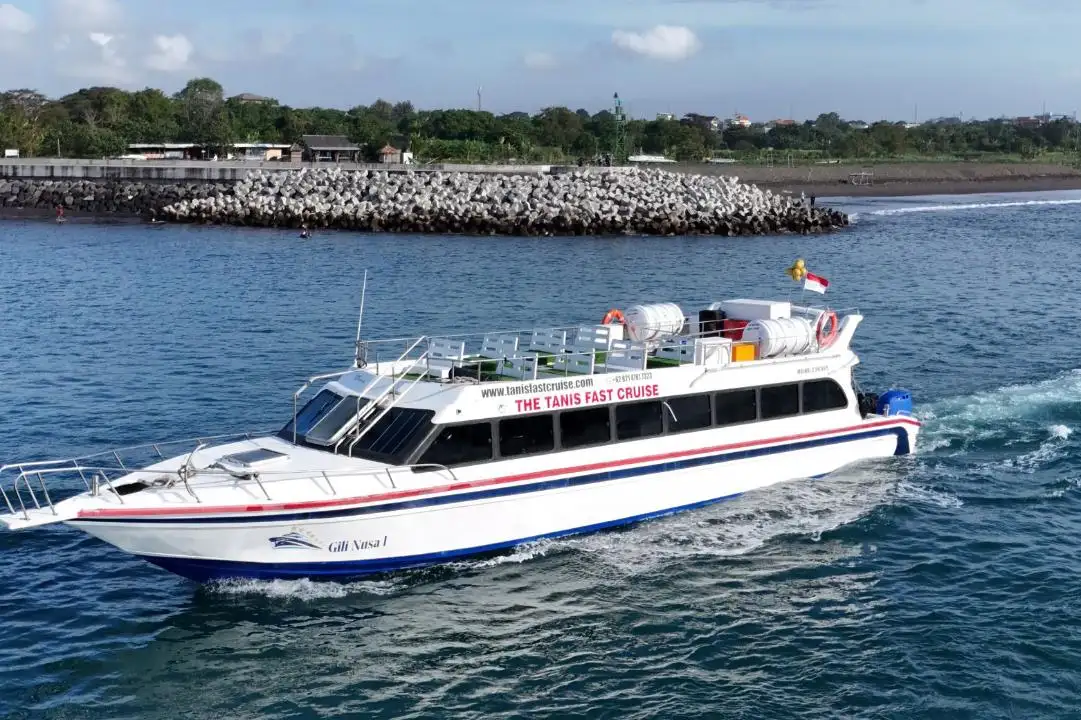
The average sanur to gili trawangan fast boat time guide suggests a journey of three to four hours. Variations occur based on specific operators, vessel types, and sea conditions across the Bali Sea. Morning crossings generally experience smoother waters, making early departures the standard approach for consistent travel durations.
Assessing the true sanur to gili trawangan fast boat time begins with understanding the maritime geography that separates the southeastern coast of Bali from the Gili Islands. While the straight-line distance across the water appears brief on a map, the physical reality of navigating the Bali Sea dictates a more complex timeline. Fast ferries depart from the coastline of Sanur Kaja, cutting eastward through the deep, active channels of the Lombok Strait. This specific waterway is known for significant currents and oceanic swells that flow between the Pacific and Indian Oceans. Because marine conditions govern the safety and efficiency of every crossing, the duration of the journey is not a fixed absolute but a variable influenced by the ocean's temperament. The craft utilized for this route are typically high-powered, multi-engine fiberglass speedboats engineered specifically for coastal transit rather than deep-sea cruising. Their ability to maintain a steady cruising speed depends entirely on wave height and wind resistance encountered once they leave the shelter of the immediate Balinese coastline. Consequently, passenger expectations regarding the transfer duration must account for the physical realities of navigating an open-water channel where environmental factors play a dominant role in daily operations. Beyond the natural marine environment, the specific routing strategy of individual operators significantly shapes the expected Sanur to Gili T travel duration. Not all marine transport operators follow an identical path across the strait. Certain services operate on a direct trajectory straight to the largest of the three Gilis, minimizing the duration at sea. In contrast, many operators utilize a multi-stop itinerary that includes brief passenger exchanges at neighboring anchorages such as Nusa Penida, Nusa Lembongan, or the adjacent Gili Air. Each successive approach, mooring, and departure sequence adds cumulative minutes to the overall transit. During periods of heavy seasonal monsoon winds, which frequently peak around August, vessel captains proactively reduce their cruising speeds to ensure structural safety. On days when the oceanic swell exceeds standard operational thresholds, the local harbormaster has the authority to delay departures entirely. These logistical realities mean that anyone evaluating the fast ferry schedule must look beyond the marketed cruising time and recognize that commercial island-hopping routes involve dynamic variables that naturally extend the period spent aboard the vessel. The operational cadence at the departure point also contributes to the broader context of the sanur to gili trawangan fast boat time. The morning hours are prioritized for these crossings, a scheduling norm driven by the predictable daily escalation of afternoon winds that routinely agitate the water surface. Early departures facilitate a smoother crossing and allow vessels to complete their return legs to Bali before marine conditions deteriorate. The boarding process at the Matahari Terbit departure zone involves several procedural steps that factor into the overall morning timeline. Before vessels break away from the shoreline, time is allocated for the collection of mandatory passenger port fees by local authorities and the careful loading of heavy luggage onto the vessel's bow. These essential pre-departure protocols underscore why understanding the complete journey requires factoring in both the physical transit across the waves and the structural demands of port management. By recognizing the interplay between maritime weather patterns, vessel routing choices, and harbor logistics, travelers can accurately anticipate the rhythm of their island transfer.
“Because marine conditions govern the safety and efficiency of every crossing, the duration of the journey is not a fixed absolute but a variable influenced by the ocean's temperament.”
The most effective arrival window for fast boat departures from Sanur is 07:30–09:30, as this timeframe balances port efficiency with morning sailing schedules. Arriving during these hours helps passengers avoid peak congestion and ensures adequate time for check-in procedures before departure.
Dry and sunny, 27°C–30°C
Stable sea conditions are common, making this the most reliable time for crossings.
Humid with occasional rain, 26°C–29°C
Rougher seas may cause occasional delays or schedule adjustments.
—
Mid-week departures offer a quieter terminal experience compared to the busy weekend rush.
Verdict: The optimal period for travel is during the dry season months of April or October, arriving at the terminal between 07:30 and 09:30 on a weekday.
The Sanur harbor terminal operates on a consistent daily schedule to accommodate fast boat departures to Gili Trawangan. The facility maintains these hours throughout the week.
Fast boats to Gili Trawangan depart from the Sanur Harbor terminal, located at Jl. Matahari Terbit, Sanur Kaja, Denpasar Selatan, Bali 80227, Indonesia. The terminal is accessible via main roads connecting Denpasar and the Sanur bypass.
Direct to Jl. Matahari Terbit
Via Jl. Bypass Ngurah Rai
From Sanur beach area
Plan your journey to reach the terminal within the 07:30–09:30 window to ensure smooth check-in. Entry to the terminal area is free, though travelers should be prepared for passenger port fees collected by operators.
Follow this timeline to ensure a smooth check-in and boarding process at Sanur port for your Gili Trawangan crossing.
Everything you need to know about sanur to gili trawangan fast boat time
The typical transit duration usually ranges between 2.5 to 3.5 hours depending on sea conditions and the specific operator. This sanur to gili trawangan fast boat time can vary slightly due to scheduled stops at other islands.
Sanur serves as a convenient departure point with frequent daily connections to the Gili Islands compared to northern ports. Travelers often choose this route to minimize land travel time within Bali.
Yes, the sanur to gili trawangan fast boat time may be influenced by high swells or strong currents, which can cause delays or cancellations. Operators prioritize passenger safety and will adjust schedules during inclement weather.
You can monitor your departure details by checking with your chosen operator after booking your seat. Staying updated on local sea conditions helps travelers understand if the sanur to gili trawangan fast boat time might change.
Passengers must check in at the terminal before departure to handle port formalities. It is essential to carry your travel documentation and booking confirmation to ensure a smooth boarding process.
We strongly recommend arriving within the suggested window to avoid missing your vessel. Arriving early helps you navigate the terminal and complete your check-in without stress.
You should verify the specific sanur to gili trawangan fast boat time directly on your ticket voucher. Always reconfirm departure schedules with the boat company 24 hours prior to your travel date.